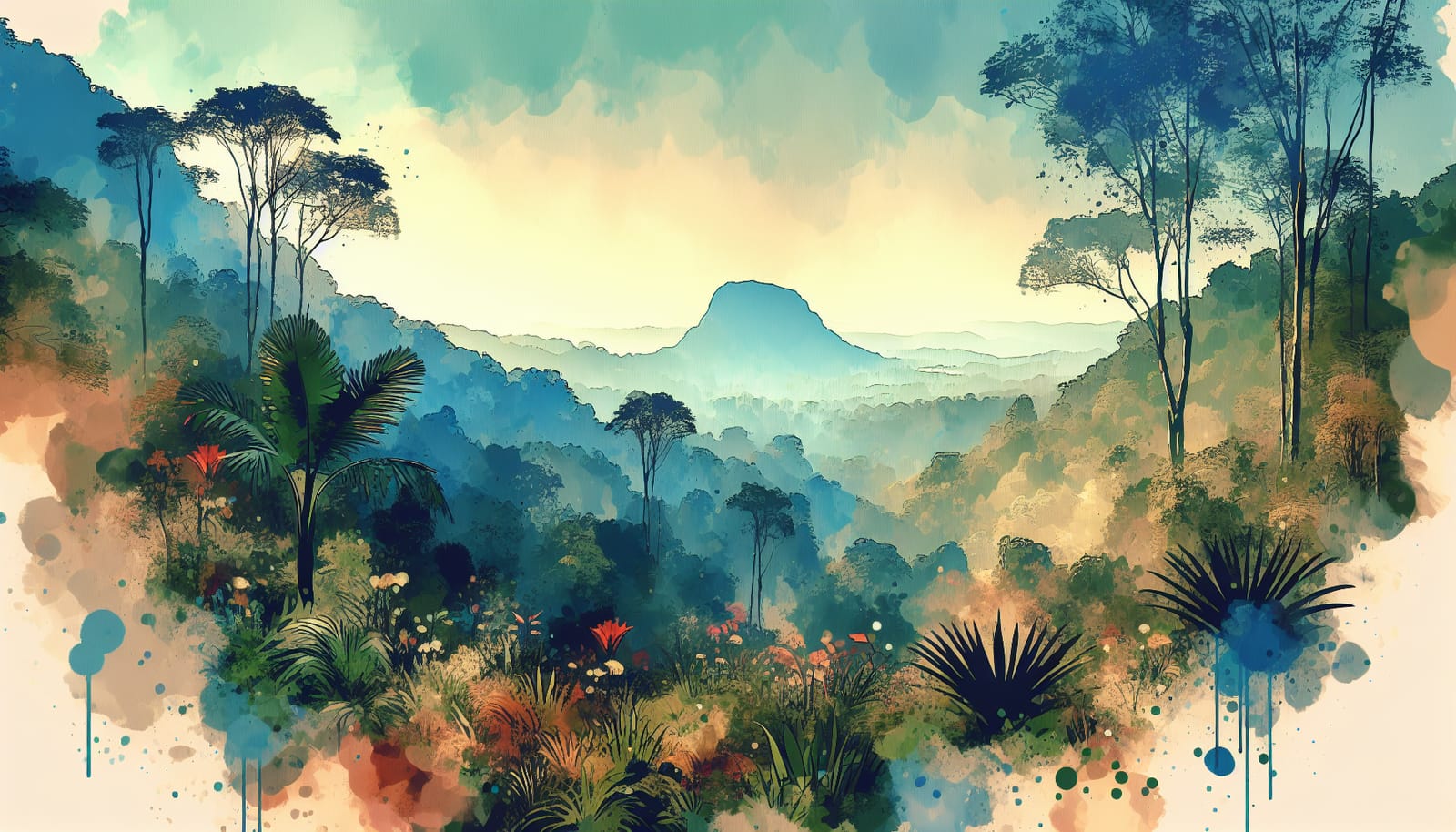
In a heartwarming turn of events for the natural world, an Alaska district court judge has made a decision that safeguards the majestic old-growth forests of Tongass National Forest from logging interests. This remarkable forest, celebrated as the largest national forest in the United States and the world’s largest temperate rainforest, serves as a vital sanctuary for a diverse array of wildlife, including the iconic bald eagle, the graceful sperm whale, the playful Steller’s sea lion, and the elusive Haida ermine.
A coalition of logging companies, including the Alaska Forest Association, Viking Lumber Company, Inc., and Alcan Timber Incorporated, filed a lawsuit against the U.S. Department of Agriculture and the U.S. Forest Service in hopes of accessing the precious timber of Tongass. However, their efforts were met with a resounding dismissal from Judge Sharon L. Gleason, who granted the motion to dismiss ‘with prejudice.’ This means that the plaintiffs cannot bring the same case against these parties again, a positive outcome for the preservation of this vital ecosystem.
“This ruling is a big victory for the Tongass’ old-growth forests,” expressed Marlee Goska, Alaska attorney for the Center for Biological Diversity. She emphasized the importance of keeping Tongass intact for the benefit of wildlife, climate, and local communities. The court's decision reflects a commitment to protect the environment from unnecessary threats.
The lawsuit centered around regulations from 2016 and 2021, as well as the Tongass Timber Reform Act of 1990, which aimed to balance market demand with sustainable practices. The 2016 Forest Plan allowed for limited logging, but the USDA's 2021 Southeast Alaska Sustainability Strategy (SASS) took a significant step forward by ending old-growth logging in the region, except for tribal needs.
While the plaintiffs argued that logging levels had not met the stated demand, the defendants clarified that the regulations simply conveyed a broad objective rather than a strict quota. Judge Gleason agreed, finding that the 2016 plan did not mandate logging amounts but instead set a cap.
This decision brings renewed hope for the old-growth forests of Tongass, ensuring that they continue to thrive and support the rich biodiversity that relies on them. The court's ruling stands as a testament to the efforts of local communities and environmental groups who advocate for the preservation of these irreplaceable natural treasures. Together, we can celebrate this victory for nature and look forward to a future where the beauty of Tongass National Forest remains intact for generations to come.