A Coat Given in Kindness Returns 30 Years Later, Inspiring a New Chapter of Hope
For three decades, a Korean woman kept a black winter coat that had helped her through a frightening day as a schoolgirl in Japan. When she finally returned it to the person who had offered it, their reunion became the beginning of something more: an art project celebrating compassion, healing, and friendship across cultures.
The coat belonged to Norihisa Koyama. His name, written inside, gave the woman a way to remember him. Years later, she recognized that same name in a newspaper story about his charitable work and was able to reconnect with him.
Long before that work became part of his adult life, Koyama had shown how readily he would help someone in need.
As a Japanese high school student, he encountered a Korean schoolgirl whose traditional uniform had been deliberately cut.
“A female student was crouching down and crying. I knew something was seriously wrong.”
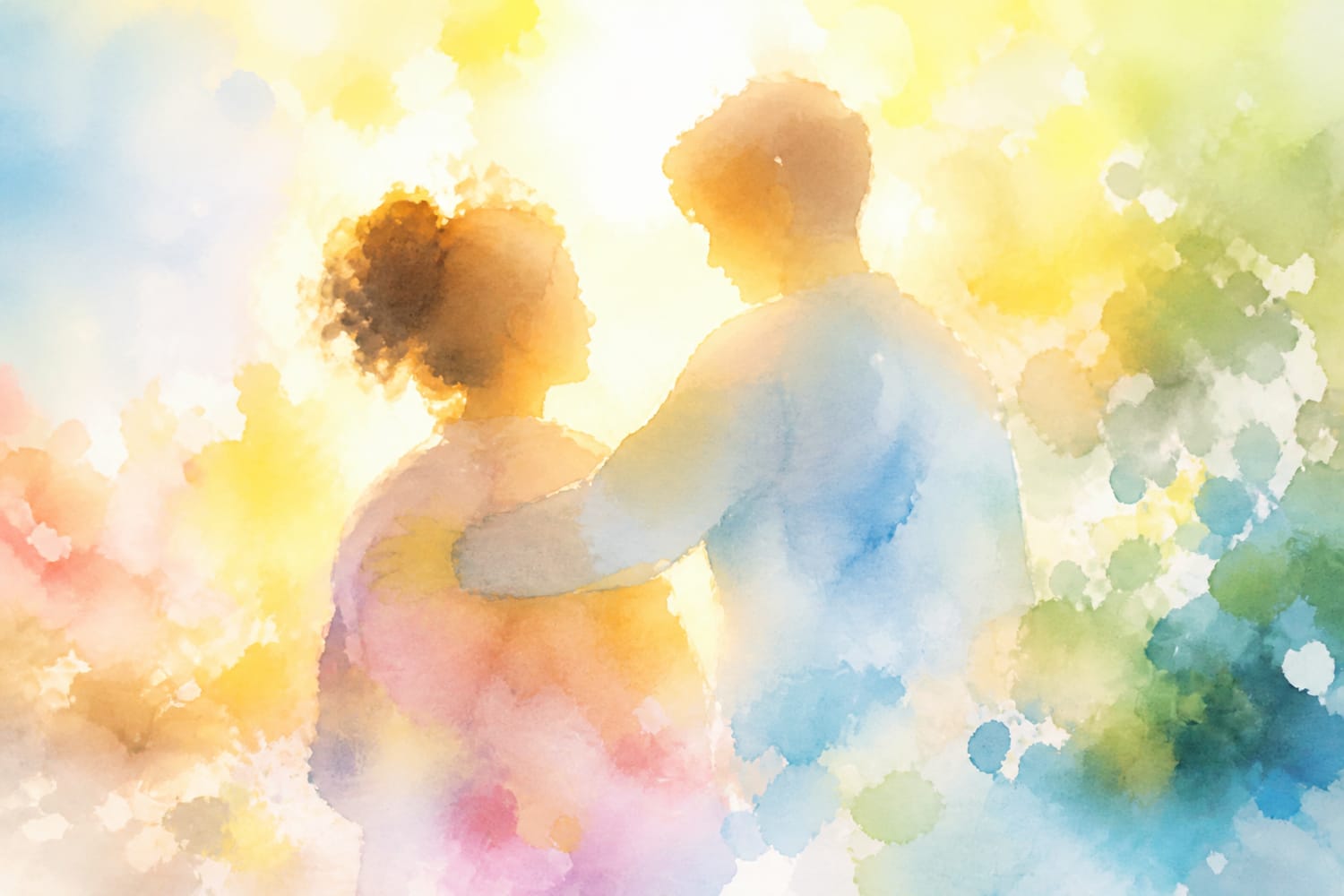
His parents had recently bought him a new winter coat. He gave it to her so she could cover herself and get home safely. Although he did not dwell on the gesture afterward, she carefully preserved the garment—and the memory of his kindness.
The attack occurred during a troubling period for ethnic Korean students in Japan. Throughout the 1980s and 1990s, girls wearing traditional Korean school uniforms, known as chima jeogori, faced verbal abuse and physical attacks. In incidents known as the “hanbok slashing incidents,” their clothing was intentionally damaged with knives or scissors.
Against that background, Koyama’s simple act offered care when it was urgently needed.
Now 50, he works with a Japanese nonprofit supporting single mothers and families facing hardship. He has also developed close relationships with Korean residents in Japan.
A Shared Memory Becomes an Invitation to Heal
The reunion caught the attention of Park Chung-moon, a Korean artist living in Japan. Decades earlier, Park had responded to the attacks through his painting Chogori, seeking to move beyond the record of suffering toward healing.
He invited Koyama to his Tokyo office in June. Koyama brought the wool coat, and their conversation connected the artist’s earlier work with the possibilities of a new collaborative project.
“He is like a treasure to us Koreans, a representative of the Japanese people,” the 80-year-old artist told the Japan-based newspaper Choson Sinbo.
“I am so grateful that he warmly extended a helping hand to the students of the Korean school.”
Park’s studio has since launched an art initiative rooted in the story, with the aim of encouraging cultural solidarity and carrying its message to another generation.
A coat offered without expectation, and treasured for more than 30 years, has brought people together once again—a lasting reminder that even a brief act of kindness can leave room for hope to grow.