Neural Bypass Helps Paralyzed Man Rediscover Movement and Touch
After losing movement and sensation below his chest, Keith Thomas is making encouraging gains through an innovative system that reconnects his brain with the nerves in his arms and hands.
Known as a double neural bypass, the technology uses a computer to carry signals around the damaged portion of Thomas’ nervous system. Even more promising, some of his renewed strength, sensation, and function remain when the system is switched off—a hopeful sign for the future of paralysis treatment.
Turning a life-changing accident into an opportunity for progress
Thomas, who is from Massapequa, broke his neck in the summer of 2020. He had been relaxing beside a swimming pool when he decided to dive in “aggressively as usual.” His next memory was of being flown by helicopter to a hospital.
Three months later, the Feinstein Institutes for Medical Research invited him to participate in a three-year clinical trial. The study centered on double neural bypass surgery, which creates a new route for communication between the brain and limbs when the natural pathway has been disrupted by paralysis.
Electrodes implanted in Thomas’ brain recognize his intention to move. Those signals are transmitted to his hands and arms, helping activate the appropriate muscles.
The system also restores information flowing in the opposite direction. Sensors placed in his fingertips detect the presence and shape of objects, then send that information back to his brain through the implanted electrodes. This two-way exchange is what makes the bypass “double.”
Everyday sensations and movements return
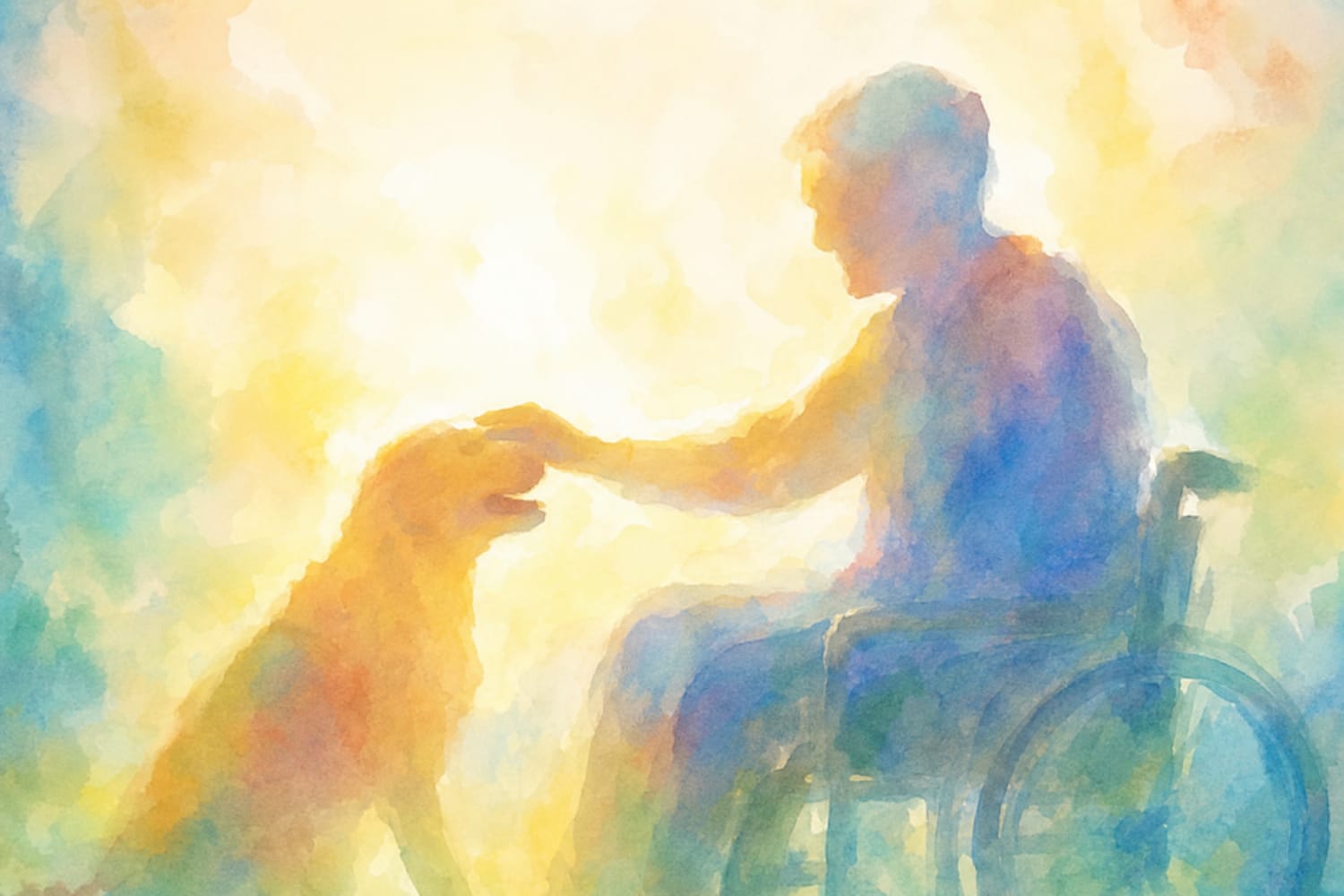
With the system’s help, Thomas can move his hands and arms while once again experiencing meaningful sensations, including the softness of his dog’s fur and the touch of his sister’s hand.
He can also distinguish between objects such as a ball, coffee cup, and egg, allowing him to adjust his grip and pressure to suit what he is holding.
After 35 weeks of training, Thomas recorded an 86% increase in strength in his right arm and a 62% increase in his left. His range of motion also improved considerably. Once unable to raise his hand beyond his neck, he can now perform practical movements such as scratching his nose and wiping his mouth.
The findings were recently detailed in a paper published in Nature.
A breakthrough filled with possibility
“For me this is an incredible moment,” said Professor Chad Bouton, who leads the Feinstein team responsible for developing the technology.
“For years, we have been wanting to really tackle the restoration of movement and the sense of touch and bring those together and we’ve also wanted to create lasting effects,” Bouton said in a video release. “I think we’re going to continue to see progress and I think it’ll be applicable to the millions of folks around the world who really need this technology.”
Thomas’ achievements offer a joyful glimpse of what may become possible for people living with paralysis. Because his recovery is continuing, researchers do not yet know how much additional movement and sensation he may regain with more time and training.