In the face of climate change, where water scarcity, increasing temperatures, and droughts pose challenges to agriculture, farmers are stepping up with innovative and hopeful solutions. The spirit of resilience shines brightly as many in the western United States embrace a wonderful practice known as dry-farming.
This sustainable approach allows crops to thrive without the need for artificial irrigation. Instead of relying on water from above, dry-farmed plants draw on the moisture stored in the soil. With just a wet rainy season followed by a dry growing period, farmers can implement techniques such as using a layer of mulch to conserve moisture, spacing plants to promote healthy growth, and planting earlier in the season.
The Dry Farming Institute beautifully describes this method as “a low-input, place-based approach to producing crops within the constraints of your climate.” Remarkably, “a dry-farmed crop is irrigated once or not at all,” emphasizing the potential for conservation and sustainability.
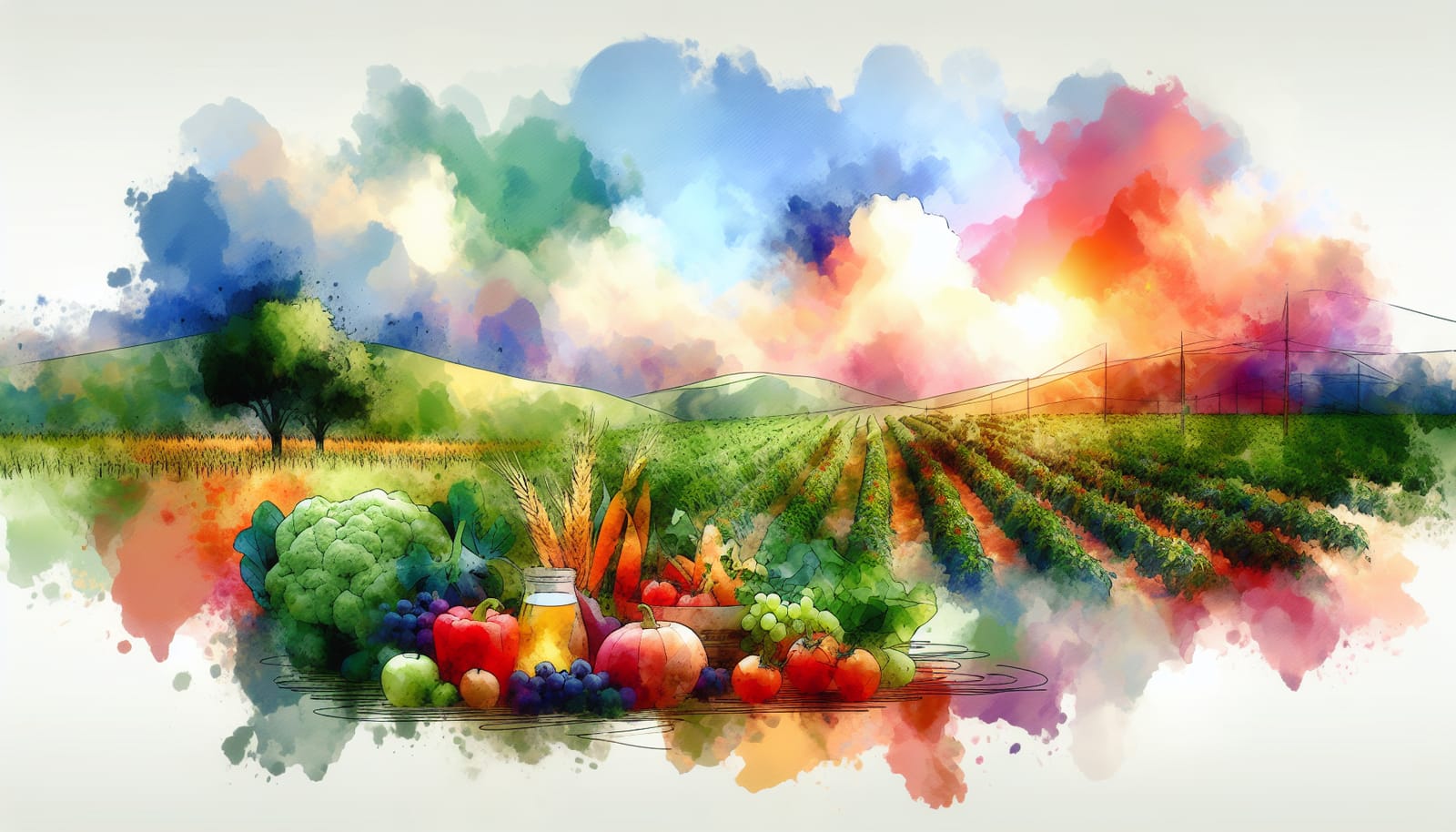
One of the most exciting aspects of dry-farming is its ability to save thousands of liters of water each season, enabling farmers to maintain a business model that is resilient to climate challenges. Furthermore, the quality of dry-farmed produce is often superior, with crops like tomatoes, potatoes, squash, corn, watermelon, and grapevines flourishing under this nurturing technique.
In fact, the practice of dry-farming is so effective that in certain regions of Europe, irrigation for wine grapes is prohibited to preserve their rich flavors. This age-old method is not just a trend; it has been a cherished practice for centuries, from the olive groves of the Mediterranean to the melon fields of Botswana. In the United States, its roots extend back thousands of years among Indigenous peoples, highlighting the importance of traditional knowledge in our quest for sustainable agriculture.
Michael Kotutwa Johnson, an Indigenous resiliency specialist at the University of Arizona and member of the Hopi Tribe, eloquently states, “Dry farming is just farming — it’s our way of life. You get to really learn what the environment gives you, and you learn to reciprocate. It’s a beautiful thing, and it’s something that needs to be cherished.”
In this journey toward sustainable agriculture, the embrace of dry-farming reflects hope, resilience, and a deep connection to the land. It showcases the beauty of working in harmony with nature and reaffirms the wisdom of those who have tended the earth for generations. By cherishing these practices, we can cultivate a brighter and more sustainable future for all.