
When we think about the incredible animals that assist in search and rescue missions, especially during times of disaster, crime, or conflict, our minds often go straight to our loyal canine companions. These dogs truly shine in their roles, bringing hope and support to those in need. However, there is a fascinating twist in the world of search and rescue that brings a delightful and unexpected hero to the forefront: the river otter!
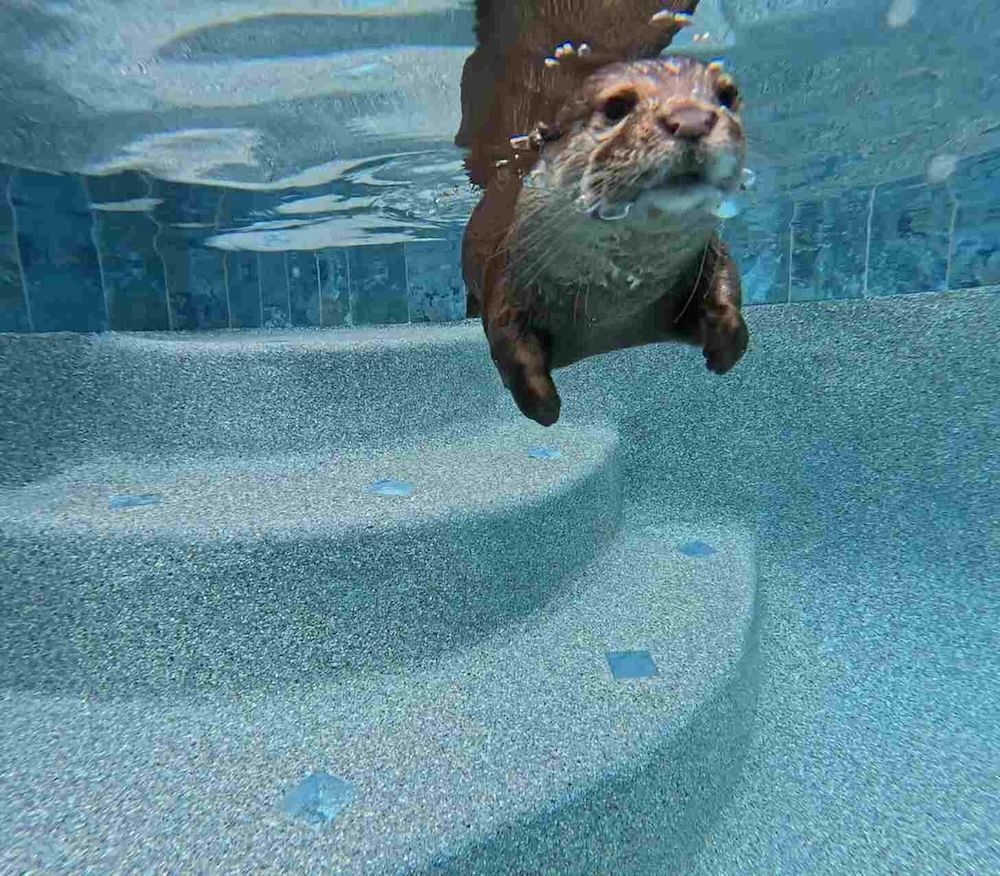
Meet Splash, a remarkable 2-year-old Asian small-clawed otter trained to assist in underwater search and recovery missions. Under the guidance of Michael Hadsell, the president of Peace River K9 Search and Rescue in Florida, Splash has emerged as a unique and talented member of the team, believed to be the only otter in the country trained for this important work.
With an impressive 46-year background in search and rescue, Hadsell has collaborated with various animals, including canines and horses, as well as employing drones in his efforts both nationally and internationally. His journey to incorporate otters into underwater missions began with a spark of inspiration while reading an article about their incredible ability to detect scents underwater.
“I realized at that point that, yeah, I think we can do this. We can make this happen,” Hadsell shared, filled with excitement about the potential of these intelligent creatures. Following this revelation, he eagerly observed otter training sessions at the Mote Marine and Aquarium in Sarasota, Florida, discovering just how similar their training is to that of dogs.
What sets Splash apart is his extraordinary sensitivity and intelligence, allowing him to locate human remains in water—an area where traditional search methods often fall short. In his training sessions, Splash dives into his home pool to locate objects marked with human scent, showcasing his remarkable ability to hold his breath for five minutes while actively searching.
Using a unique method, Splash can detect odors underwater by blowing bubbles at a target and quickly inhaling them back in. His intuitive response leads him to alert his handlers, who accompany him on dives. When he successfully finds a scent, he signals by tugging at Hadsell’s diving gear, ensuring they stay on track.
Splash wears a specially designed harness that allows him to work closely with Hadsell, and when he successfully identifies a target, he lays on top of it, making it easy for the team to mark the search area accurately. To reward Splash for his hard work, he receives farm-raised salmon—a special treat that he loves.
So far, Splash has made remarkable contributions in the field. After just four months of training, he helped recover a weapon linked to a 25-year-old murder case and successfully located human DNA in a lake, providing closure to a grieving family. His talents have been called upon for at least 20 other recovery missions, underscoring his importance to the team.
Of course, safety is a top priority for Splash and his handlers. While he can work in a variety of water environments, there are strict guidelines to ensure his well-being, including depth limits and precautions against strong currents. Hadsell has a dedicated team of “Otter Spotters” who keep a watchful eye for any potential dangers, such as alligators and other predators.
Though Splash is sensitive to illness, his natural protective oils help him navigate murky waters. On rare occasions, he may need a bath with Dawn dish soap, which means he takes a little time off to restore his balance. Despite his delicate nature, Splash has become a cherished member of the Peace River K9 Search and Rescue team, happily working alongside his canine colleagues, including his best friend, Nova.
“He’s out there with the rest of them, wanting to do his thing,” Hadsell said with pride. With the heartwarming addition of Splash, the world of search and rescue gains a touch of joy and innovation as they tackle challenges together.
In a world where collaboration between species brings about such positive outcomes, it’s heartening to see how creativity and compassion can lead to new paths of hope and closure for those in need.