
A remarkable milestone in sustainable living has been achieved with the completion of Europe’s largest 3D-printed housing development, known as Skovsporet, or “The Forest Trail.” This innovative project is now a vibrant new home for 36 student apartments in the charming town of Holstebro, Denmark.
The journey began when NordVestBO, a dedicated affordable housing organization in Western Denmark, partnered with 3DCP Group to explore the exciting possibilities of 3D construction. Utilizing the advanced COBOD BOD 3D construction printer, they embraced a method that not only promises cost savings but also enhances efficiency and sustainability compared to traditional building practices.
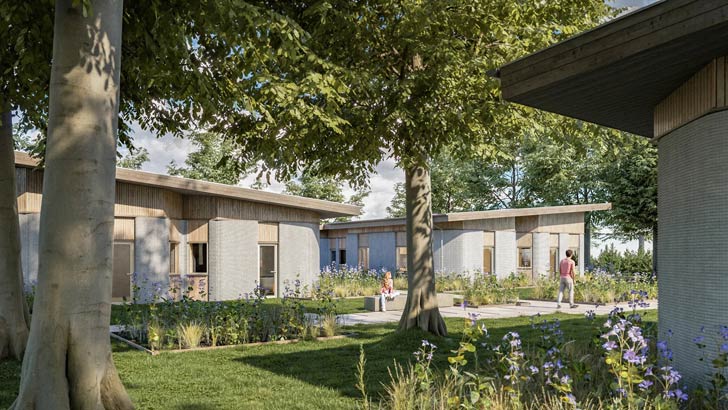
The outcome is a stunning collection of 36 units, each thoughtfully designed between 431 and 538 square feet. The apartments feature an exterior crafted from a unique cement-like mixture, layered with precision through the printer's nozzle. Each unit is designed to be move-in ready, complete with a cozy kitchen, study area, lounge, bathroom, and comfortable double bed.
The architecture, brought to life by SAGA Architects, incorporates large roof windows and slanted ceilings, flooding each space with natural light. Beautifully complemented with coated plywood and glass accents, these apartments radiate charm and warmth.
Arranged into six inviting buildings, the development is centered around a shared courtyard adorned with landscaped gardens and pathways for leisurely walks and bike rides. This community-centric design promotes a sense of togetherness and connection among residents.
The efficiency of the construction process is just as impressive as its aesthetics. With a small, dedicated team of three overseeing the project, the 3DCP Group achieved remarkable accuracy, completing the development in record time. As noted by COBOD, "Over the course of the project, printing productivity increased significantly."
Initially, the first six units took several weeks to finish, but as the team honed their skills, they completed the final unit in just five days—an inspiring achievement that illustrates the potential of 3D construction printing to produce multiple housing units with consistent quality and reduced labor needs.
Sustainability was a core focus throughout the Skovsporet project. The use of D.fab concrete, a low-carbon cement material, has contributed to minimizing the environmental footprint. The printing process is also designed to maximize efficiency, depositing material only where needed and significantly reducing waste compared to conventional methods.
Moreover, the project thoughtfully respected the local ecosystem, with print beds strategically positioned to preserve 95% of the existing trees on site. This commitment to harmony with nature showcases how advanced construction techniques can align with sustainable design principles.
As 3D-printed homes continue to gain traction worldwide, Skovsporet stands as a beacon of hope for the future of affordable and sustainable living. Mikkel Brich, co-founder of 3DCP Group, expressed optimism about the journey ahead, stating, “Skovsporet proved that 3D construction printing can meet the strict requirements of subsidized housing while delivering high precision and productivity. As we deepened our understanding of the technology, we increased productivity from one building to the next and are confident we can build even faster in future projects.”
The successful completion of Skovsporet marks a joyful new chapter for housing innovation, paving the way for more sustainable and affordable homes in the future.