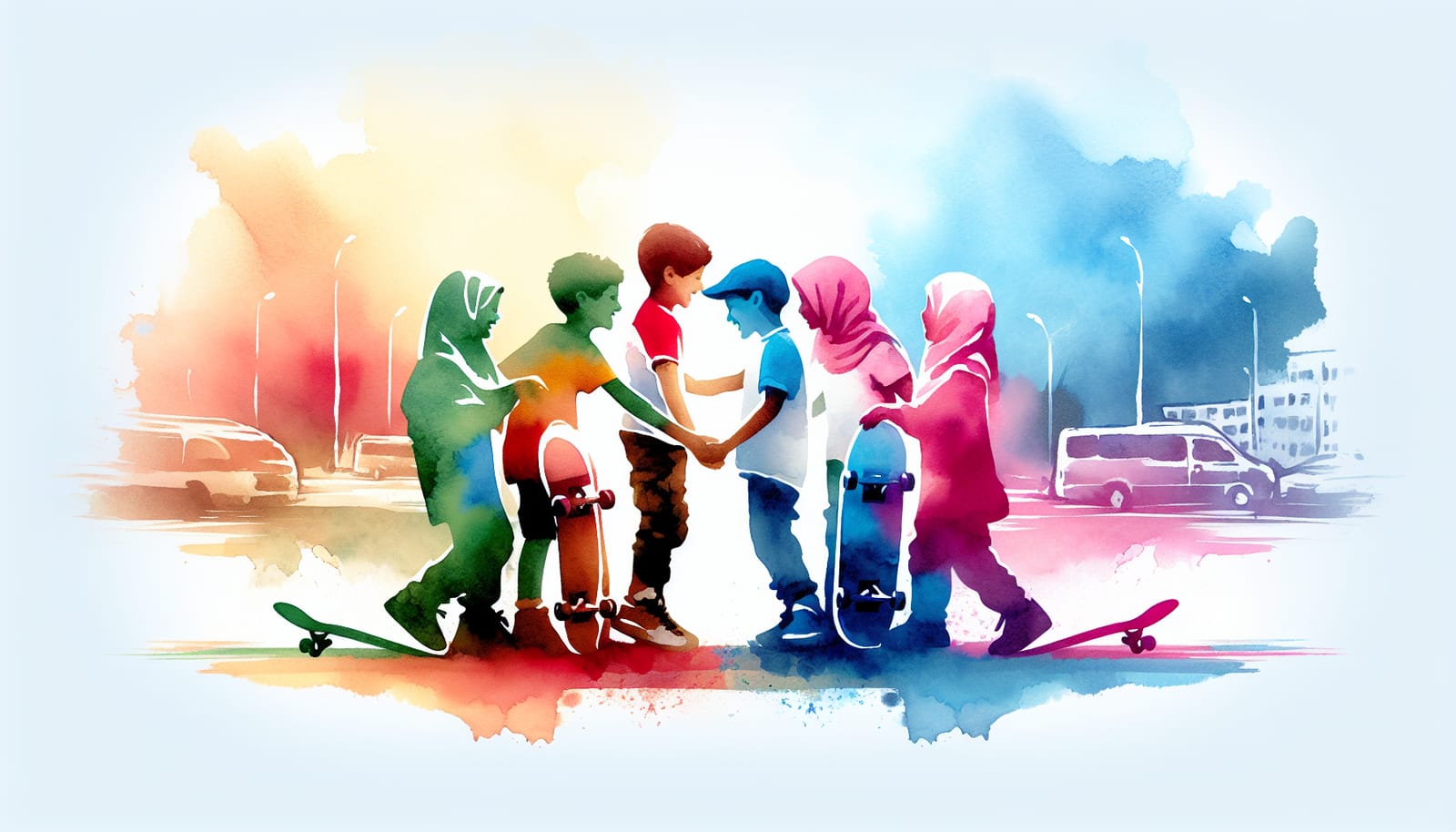
Tony Hawk, celebrated as one of the most impactful figures in skateboarding, has not only transformed the sport but also embraced a beautiful journey of philanthropy in his retirement. Through his inspiring nonprofit, The Skatepark Project, Hawk has played a significant role in creating nearly 700 public skateparks across all 50 states, benefiting an estimated 17 million people each year. Since its inception in 2002, the organization has generously awarded $13 million to fund these vibrant spaces where joy and creativity flourish.
Hawk's vision extends beyond merely providing safe venues for skateboarding. He is dedicated to empowering young individuals to cultivate their own skate spaces, fostering a sense of community and belonging. In a heartfelt message, he emphasizes, "We’re not just helping to build skateparks. We’re also working to build community in entirely new ways." This drive to nurture the next generation of diverse skate advocates through fellowships and training programs is truly commendable.
The impact of The Skatepark Project reaches far beyond U.S. borders, as it has also extended support to skate programs in countries like Afghanistan, Cambodia, and South Africa. Grassroots organizations have emerged in areas affected by conflict, providing young people with necessary guidance and spaces to enjoy skating.
In Gaza, SkatePal is making a positive difference by offering free skate programming and lessons to youth, even amidst challenging circumstances. Over the past 11 years, they have successfully built four skateparks, organized summer camps, and created programs specifically designed to encourage girls' participation in the sport. A local volunteer beautifully encapsulates this spirit: "Skateboarding is not for a specific type of person. Skateboarding is for everyone, no matter what religion, color, or place."
Recently, SkatePal has focused on addressing basic needs for skaters and their communities who are working hard to rebuild. They have mobilized resources to distribute gear and equipment to partners in the region, ensuring that young skaters can continue to thrive.
Despite the challenges, SkatePal’s social media showcases joyful moments of children and teens practicing their skills, reminding us of the power of hope and resilience. Mahmoud Kilani, the founder of skateboarding.ps, shares the uplifting sentiment that skateboarding offers a sense of freedom and escape, providing a much-needed respite from difficult realities.
Similarly, in Mukono, Uganda, the Uganda Skateboard Society is blossoming under the guidance of a passionate teenager. This initiative aims to bring skateboarding to underprivileged areas by building skateparks and offering free lessons to hundreds of eager youth. Co-founder Gerald Gose reflects on their mission: “We decided to make it the DIY way,” demonstrating the spirit of community and creativity.
The societal benefits of this organization are profound. When a skater faced financial hurdles in paying school fees, the community united to support his education. The skatepark, situated in a low-income neighborhood, has become a beacon of hope, allowing youth to engage in something positive and meaningful.
Gose, who now leads Uganda’s Olympic skateboarding team, expresses his aspirations with optimism: "When I leave here, I hope to be able to look around and say we have done a good job and made a good foundation for the future. I believe Ugandan skateboarders have the potential, and we have set goals for what we intend to achieve."
Through these incredible stories and initiatives, it's clear that skateboarding is more than just a sport. It is a powerful tool for building community, fostering empowerment, and spreading joy across the globe.