A Path Through Tanzania’s Kilombero Valley Brings Elephants and Communities Together
In southern Tanzania, some African savanna elephants make a remarkable journey. They travel between the open woodlands of Nyerere National Park and the rainforests of the Udzungwa Mountains, climbing slopes that might seem daunting for such large animals. Up to 1,000 elephants spend part of their time in the mountains, where native bamboo grows high above the valley floor.
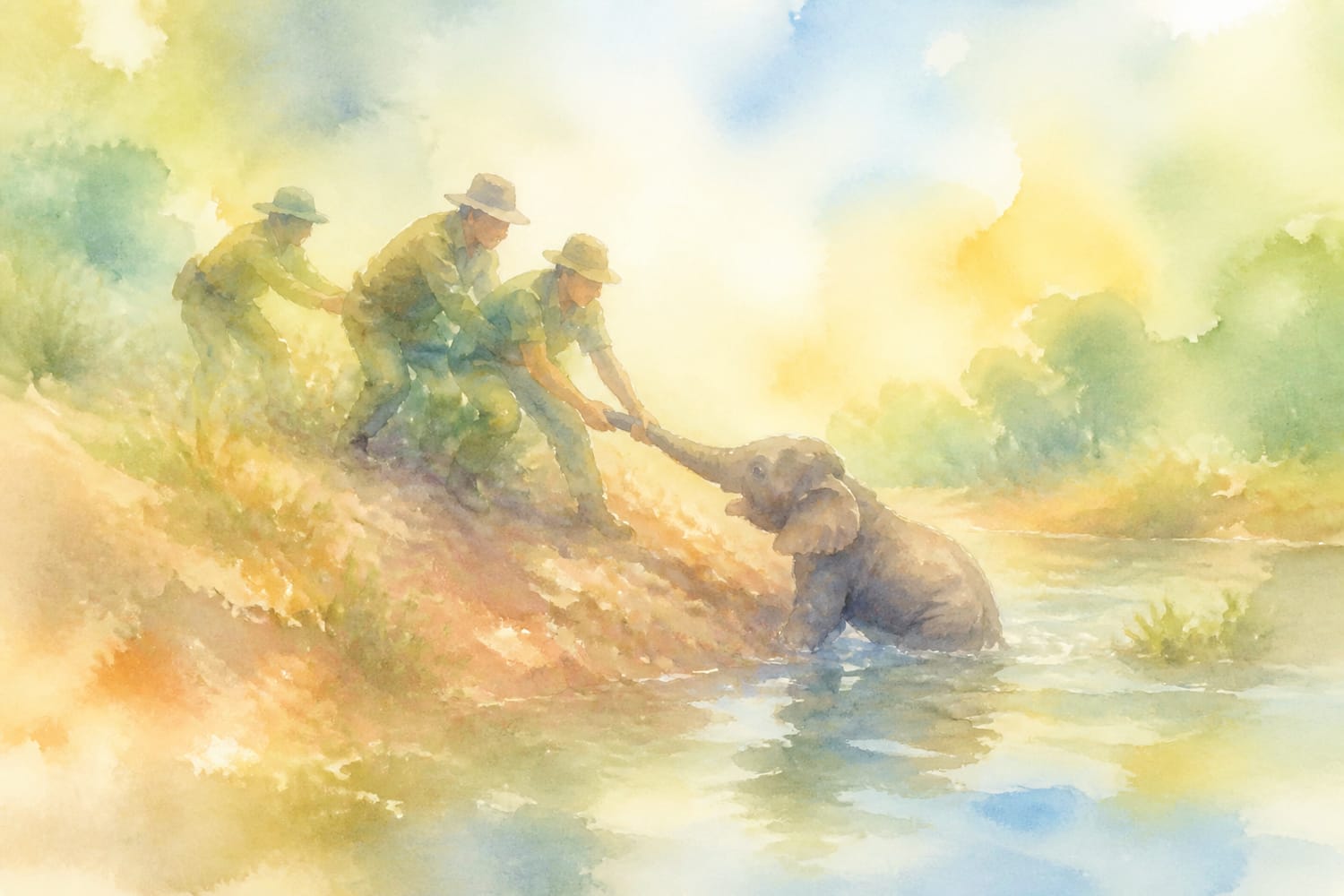
Their ability to move between these habitats may help them find food and water as conditions change. Yet the journey has become harder. Fifty years ago, lowland rainforest connected the two landscapes. As farms replaced much of that forest, elephants following long-established routes began crossing cultivated land, bringing them into conflict with farmers.
A new partnership offers a way forward. In April 2025, Tanzania officially protected the Nyerere-Udzungwa Wildlife Corridor, its first designated wildlife corridor. Stretching about 14 kilometers across the Kilombero Valley, the passage is roughly 200 meters wide. It links Nyerere National Park and the adjoining Magombera Nature Forest Reserve with Udzungwa Mountains National Park.
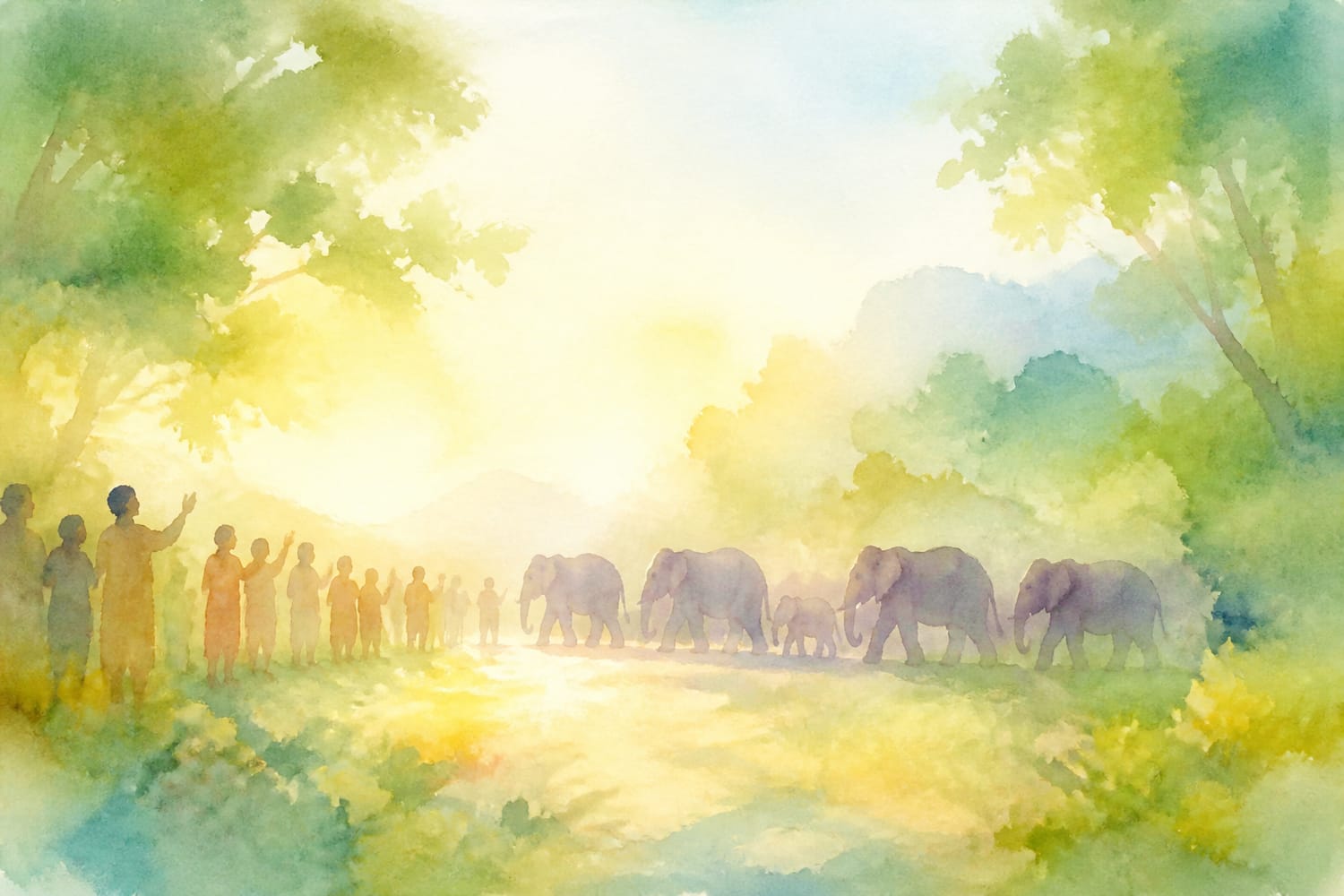
Local communities helped choose its route. According to the Southern Tanzania Elephant Program (STEP), 368 landowners received compensation for setting aside portions of their land. Villagers also help manage the corridor with the government. The goal is to give wildlife a dependable way through the valley while steering elephants away from crops.
The passage matters beyond this one journey: it helps connect elephant populations in southern and western Tanzania. Such connections are especially valuable for a species under pressure from habitat loss and ivory poaching.
Wildlife is already finding its way through. STEP and its partners installed 59 monitoring cameras along the route in November 2023. Over the following 15 months, they recorded at least 1,440 mammals, including 529 elephants. Bushbuck, buffalo, servals, honey badgers, monkeys, duikers and Cape clawless otters were among the other animals recorded.
The community is helping the corridor grow as well as function as a crossing. Villagers and Reforest Africa have planted 100,000 native trees representing 30 species, with another 50,000 planned. Some sections are being planted densely to recreate rainforest; others will remain more open. Fruit-bearing trees can feed animals that, in turn, spread seeds and help new forest take hold. Other areas have been left unplanted so the restoration team can learn how the landscape recovers on its own.
That work reflects local knowledge. Cultural geographer Astrid Matejcek found that residents pressed for native trees rather than plantations of species that might offer wildlife less suitable habitat. Their role in choosing trees and managing the land is an important part of the corridor’s promise.
There are still obstacles to solve. Elephants have not taken readily to an underpass built for them beneath a busy road. When people stop to watch the animals near the crossing, herds sometimes retreat; screens could give them more privacy. Conservationists are also concerned that a petrol station under construction, along with a proposed hotel and bus station, could affect the narrow route. Continued attention to development beside the corridor will be essential.
For now, the young trees planted in late 2023 are already rising above head height. The corridor is beginning to look more like a forest—and to show what can happen when residents, conservationists and government work together to make room for both people and wildlife.